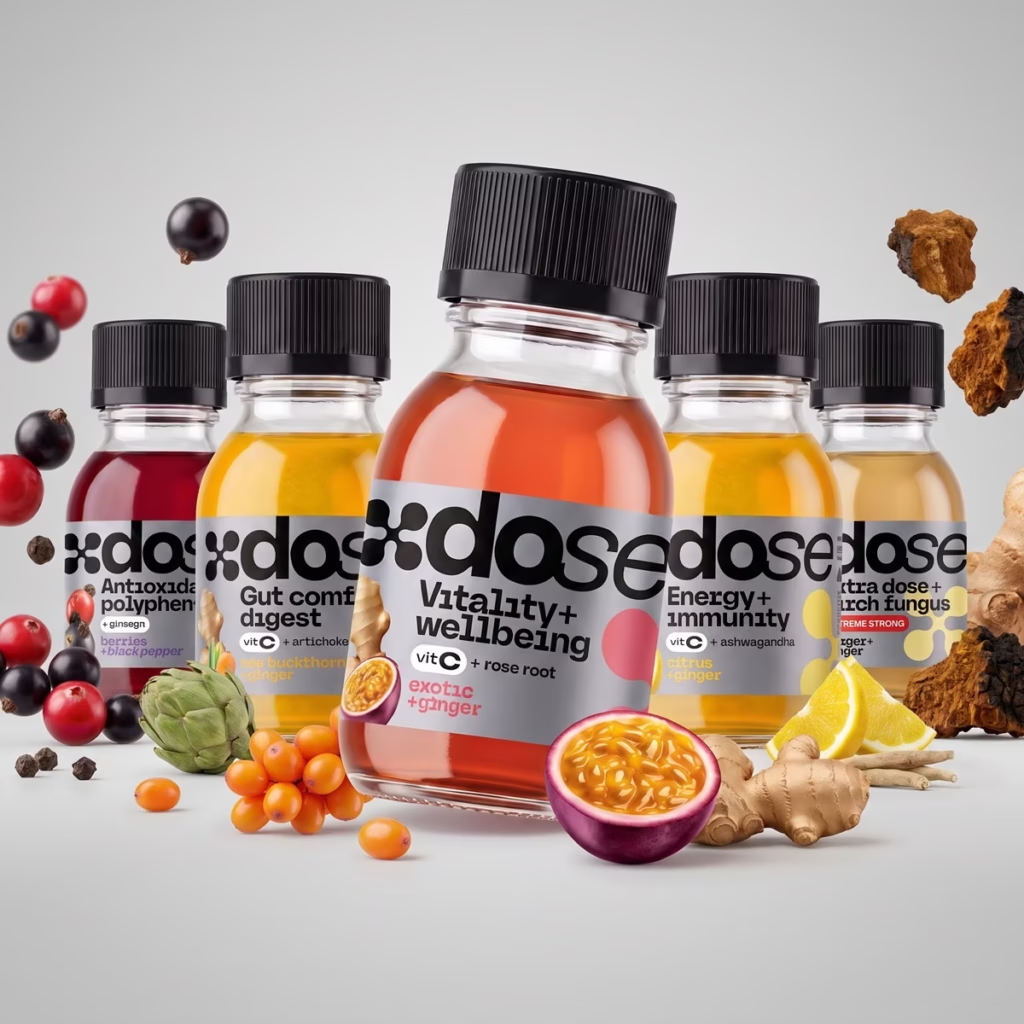
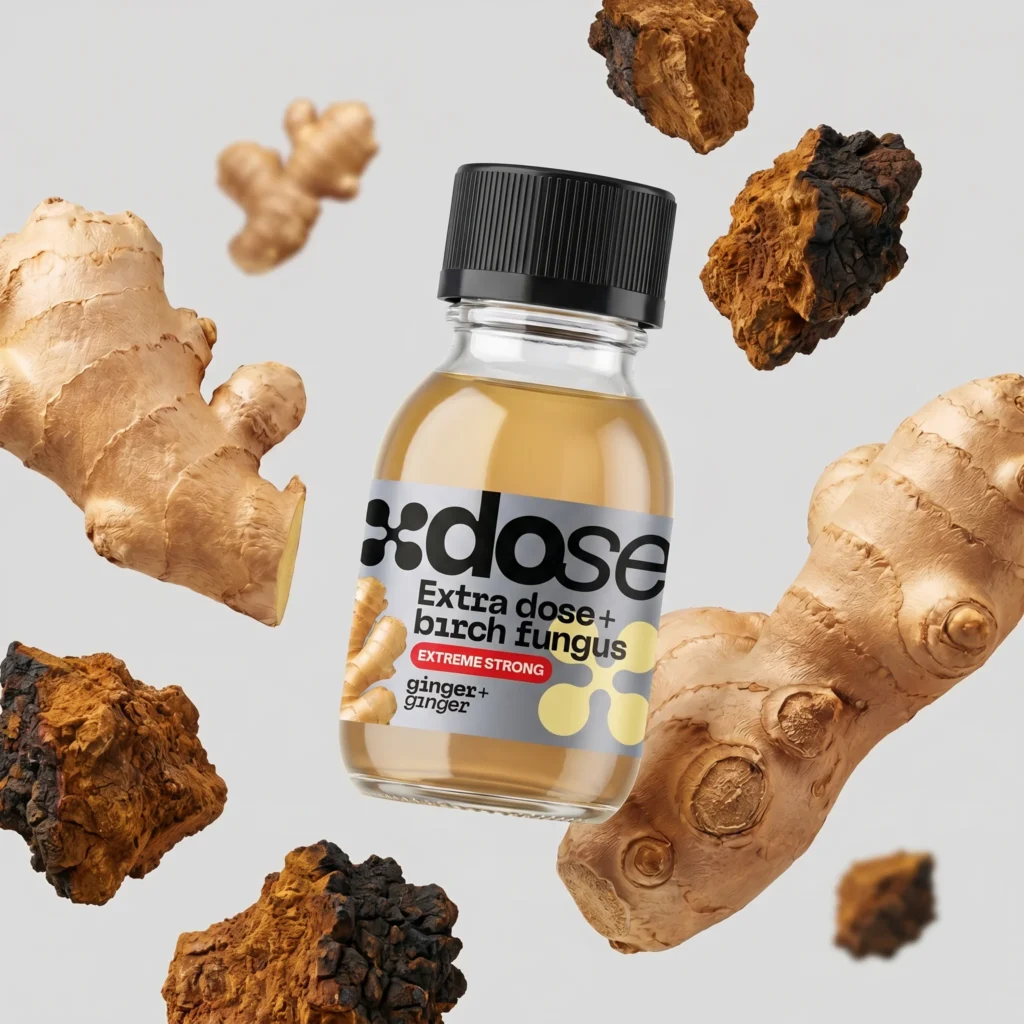
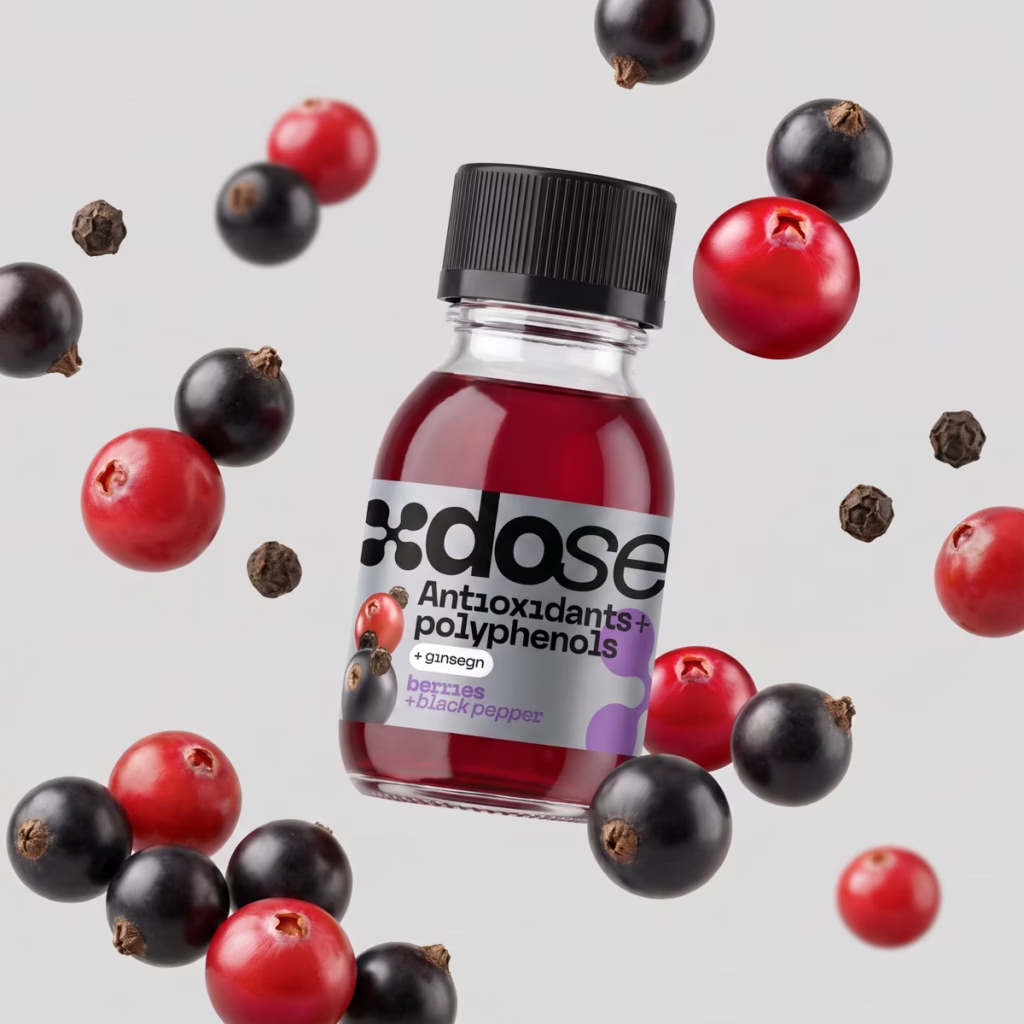
A functional shot often begins with a simple sentence: “What if we combined these ingredients?”
The finished bottle is the result of everything that comes after.
At xdose, product development sits at the intersection of food technology, ingredient knowledge, taste, manufacturing and regulation. A formula can look excellent in a spreadsheet and still fail in the bottle. That is why we treat development as a sequence of decisions rather than a hunt for the longest ingredient list.
1. Start with a purpose
Before choosing flavours, we define the role of the product. Is the concept centred on ginger intensity, fibre, antioxidants, a botanical ingredient, a specific taste experience or a combination of these?
A clear purpose keeps the formula disciplined. If an ingredient does not support the concept, taste or technical performance, it probably does not belong there.
2. Build the flavour architecture
Functional ingredients are rarely neutral.
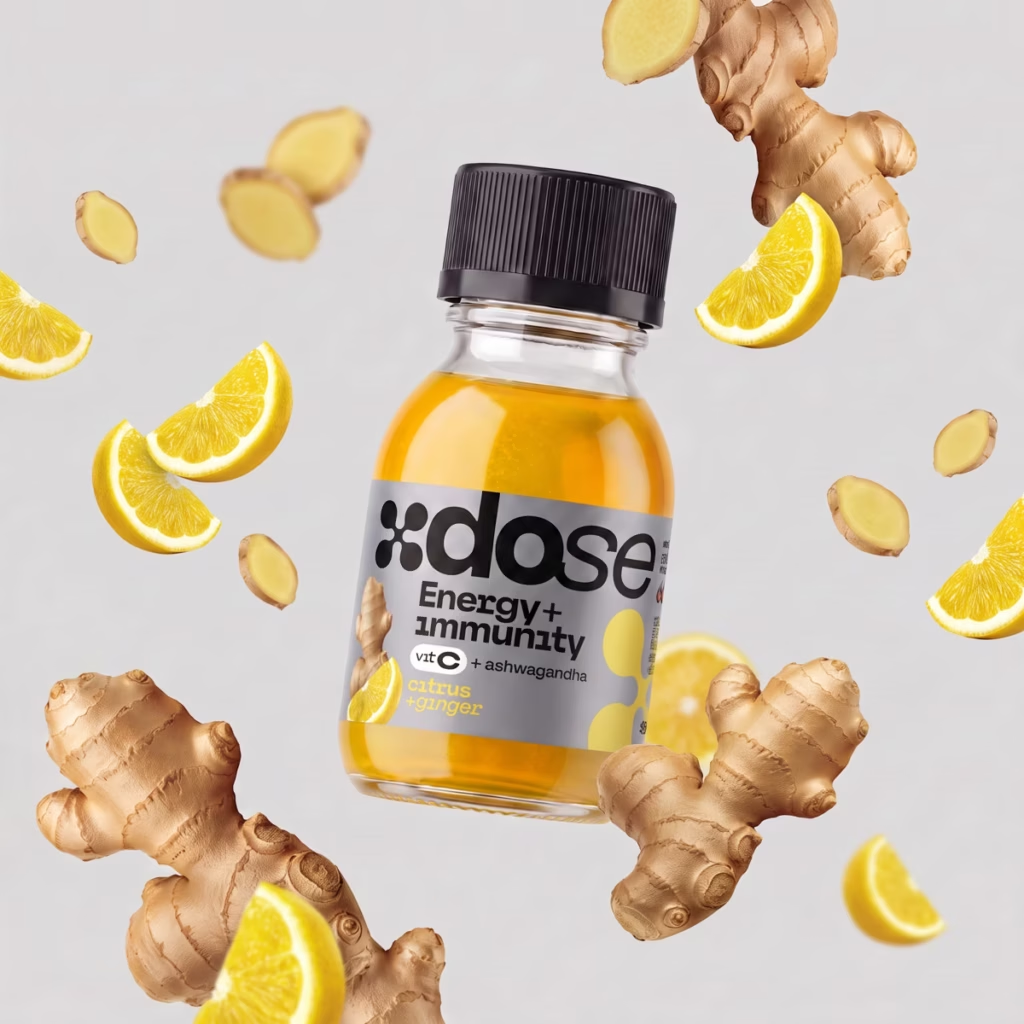
Ginger is hot and aromatic. Chaga can bring dark, earthy notes. Some botanical extracts are bitter. Fibre can change body. Concentrated berries can be intensely acidic or astringent.
The base juices and flavour components therefore have a job beyond sweetness. They create balance: acidity, aroma, body, colour and finish.
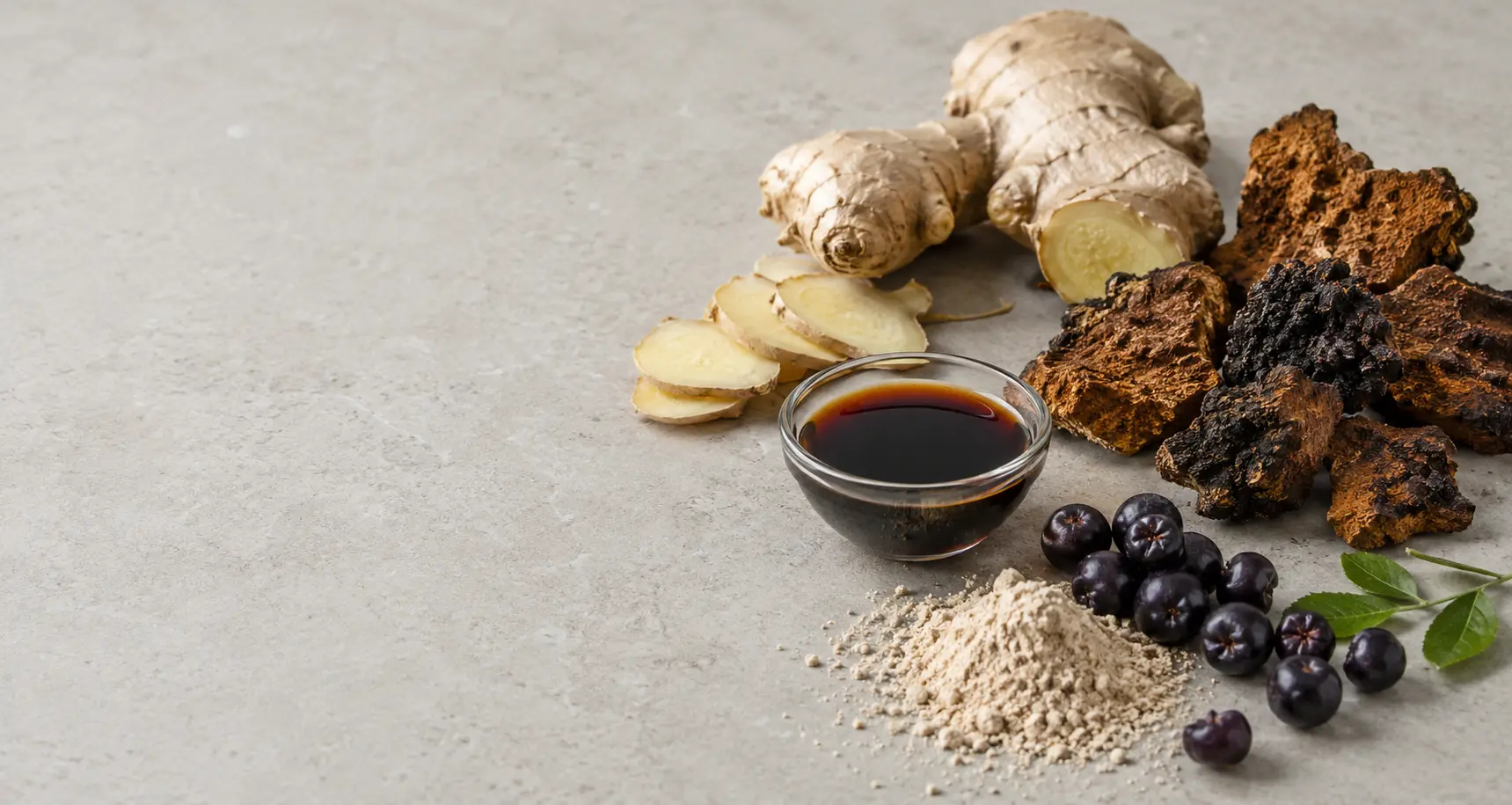
This stage can require many small trials. A change of one or two percentage points can completely alter a 60 ml shot.
3. Select the functional ingredients
This is where specification sheets matter.
We look at ingredient identity, form, recommended use level, solubility or dispersibility, sensory effects, regulatory status, and supplier documentation. For extracts, standardization and extraction method may also be important.
The name on the front label is the least technical part of the decision.
4. Test what happens during processing
A fresh laboratory sample is not the final product.
Heat treatment can alter flavour, colour and some sensitive compounds. Acidity affects stability. Powders may settle. Natural materials can vary between batches. Packaging and oxygen exposure can also influence the product over time.
The development process therefore has to consider the real manufacturing route from the beginning.
5. Make it safe and repeatable
A commercial beverage must be more than delicious on day one. The process needs defined parameters, hygienic production, appropriate microbiological controls, shelf-life assessment and traceable raw materials.
Repeatability matters too. The consumer should recognise the product from batch to batch even when working with agricultural ingredients that naturally vary.
6. Review the label and communication
The final stage is not simply writing a catchy front label.
Ingredients, allergens where relevant, nutrition information, net quantity, storage information and other mandatory particulars must be correct. Functional messaging and any nutrition or health claims must also be appropriate for the market.
Sometimes the scientifically most exciting sentence is not a sentence that belongs on a food label. We would rather communicate precisely than oversell the product.
7. Then we ask the simplest question again: does it taste good?
Function cannot rescue a product people do not want to drink.
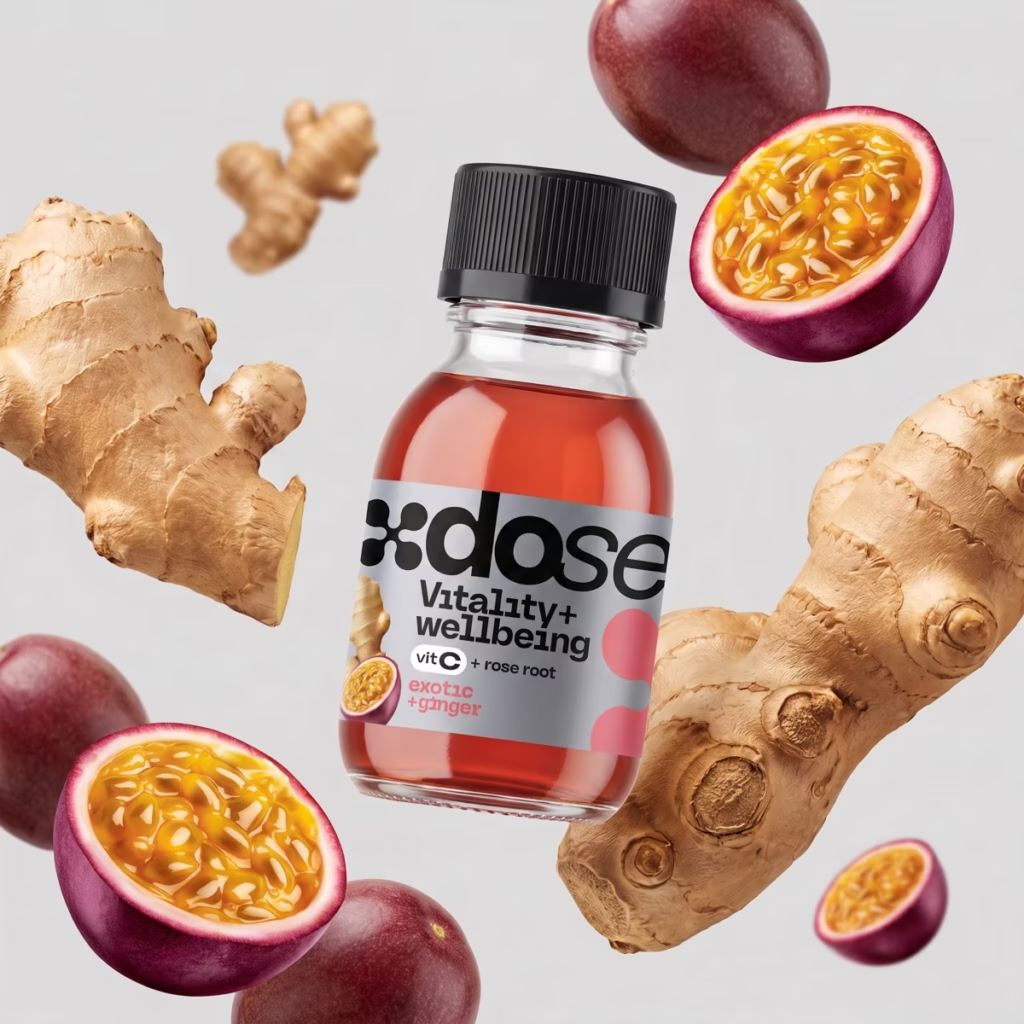
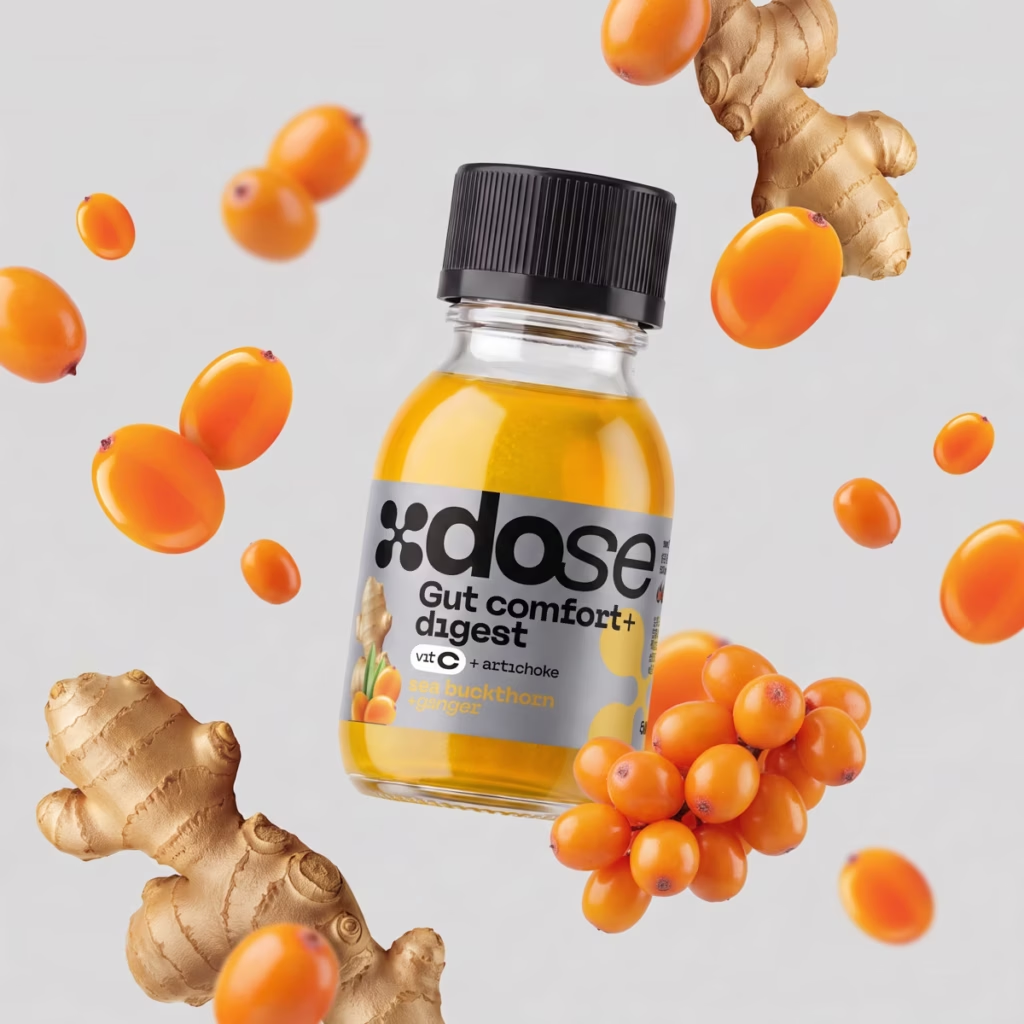
For us, this is one of the defining principles of xdose: science, nature and food technology have to end in a genuinely enjoyable 60 ml experience.
Built, not assembled
A good functional shot is not a collection of fashionable ingredients poured into a bottle. It is a system in which taste, dose, processing, safety, packaging and communication have to work together.
That is the part of xdose most people never see — and the part we care about most.